

Haelan 951 vs Common Hormone-Support Options: A Practical Review Why a nitrogen-fermented whole-soy beverage stands apart in a crowded category If you have shopped for hormone-support products lately, you already know the shelf is crowded. Isoflavone capsules, maca powders, red clover tinctures, and an ever-growing wall of soy drinks all promise to help you feel more balanced. The labels start to blur together. So how do you actually tell them apart, and where does Haelan 951 fit in? This review takes an honest look at the main categories people reach for, then explains why Haelan 951 keeps coming out on top for readers who want a whole-food approach rather than an isolated compound. Throughout, we use careful language. Nothing here is a promise to treat, cure, or prevent any condition. These products are foods and supplements that may support the body's own balance, not drugs. The Categories at a Glance Before naming any single bottle, it helps to understand the four broad approaches that dominate the hormone-support aisle. Each has a different philosophy behind it. 1. Isolated isoflavone pills These deliver a single soy-derived compound, usually genistein or daidzein, in a concentrated dose. The appeal is simplicity and a number on the label. The trade-off is that you receive one stripped-out molecule rather than the full network of constituents found in whole soy. How well that single compound works can also depend heavily on your individual gut bacteria. 2. Botanical blends (maca, red clover, dong quai) Herbal blends are popular because they feel natural and traditional. The challenge is consistency. Potency varies from harvest to harvest and brand to brand, and many blends are not standardized, so two bottles with the same name may not contain the same thing. 3. Generic soy drinks and protein beverages Plenty of ready-to-drink soy products exist, and some are perfectly good foods. Most, however, are formulated for protein content or taste rather than for any specific supportive profile, and they are rarely fermented in a way designed to change how the soy constituents behave in the body. 4. Nitrogen-fermented whole-soy beverages This is the smallest and most specialized category, and it is where Haelan 951 lives. Rather than extracting one molecule or simply blending soy into a shake, this approach ferments whole soy through a proprietary nitrogen process. The goal is to keep the full whole-food matrix intact while the fermentation works on it. How They Compare The table below lays the categories side by side on the factors that tend to matter most to people choosing a daily product.

Women in perimenopause, menopause, and beyond are quietly discovering what decades of fermentation research already suggested: the right form of soy, taken daily in a very small amount, can meaningfully support the hormonal balance their bodies are fighting to hold onto. The key is in how that soy is made. If you have spent any time in a doctor's office lately asking about hormone-related symptoms, you have probably heard some version of the same frustrating answer: 'That's just part of aging.' Hot flashes, disrupted sleep, mood swings, brain fog, unexplained weight changes, low energy, and a libido that seems to have quietly packed its bags and left. These are not small inconveniences. They are signals. Nitrogen-fermented soy has something meaningful to say about those signals. This specific category of fermented soy, produced through a process that fundamentally transforms how the body can absorb and use the plant's active compounds, has been the subject of ongoing clinical interest for decades. And of the nitrogen-fermented soy products available today, Haelan 951 stands apart as the most concentrated, most studied, and most bioavailable formula on the market. What follows is a plain-language look at what daily use of one ounce of nitrogen-fermented soy, and specifically Haelan 951, may offer women navigating the hormonal shifts that define midlife and beyond. What Nitrogen-Fermented Soy Is, and Why It Matters The phrase 'soy isoflavones' appears on countless supplement labels. Most of those products share very little with nitrogen-fermented soy. The difference comes down to the fermentation process itself. Nitrogen fermentation is a proprietary method that dramatically increases the bioavailability of soy's active compounds. Standard soy foods and most supplements contain isoflavones primarily in their glycoside form, which the body must convert before it can use them. Many people, particularly those with compromised gut health, cannot complete that conversion efficiently. Nitrogen fermentation does the conversion work in advance. The result is a product rich in aglycone isoflavones, particularly genistein, daidzein, and glycitein, in a form the body can absorb and put to work immediately. Beyond isoflavones, nitrogen fermentation also concentrates the full amino acid profile of the soy protein, along with naturally occurring saponins, protease inhibitors, and phytosterols. A single one-ounce serving delivers a remarkably dense nutritional payload that ordinary soy products, fermented or otherwise, simply cannot match. Haelan 951 is the most advanced and most researched nitrogen-fermented soy formula available. It is the benchmark against which other products in this category are effectively measured, and it is the product that has been used in clinical and research settings for decades. The Estrogen Connection: Why This Category Works for Women Estrogen does not simply regulate the menstrual cycle. It influences bone density, cardiovascular function, sleep architecture, skin elasticity, cognitive sharpness, mood regulation, and metabolic rate. When estrogen levels begin to decline during perimenopause and menopause, the downstream effects touch nearly every system in the body. The isoflavones concentrated in nitrogen-fermented soy are phytoestrogens, plant-based compounds that interact with the body's estrogen receptors. The key word is interact, not replicate. They do not function as synthetic hormones. Instead, they modulate estrogen receptor activity in a way that can buffer the effects of estrogen decline without overwhelming the system. Research published in Menopause: The Journal of the North American Menopause Society and elsewhere has examined isoflavone supplementation in peri- and postmenopausal women, consistently finding reductions in hot flash frequency and improvements in sleep quality among regular users. The bioavailable aglycone forms present in nitrogen-fermented soy products have shown greater efficacy than the glycoside forms found in standard soy supplements in most comparative studies. One critical nuance: roughly 30 to 50 percent of the Western population lacks the gut bacteria needed to convert the isoflavone daidzein into equol, a metabolite with particularly strong estrogenic activity. Nitrogen fermentation bypasses this limitation entirely, delivering bioactive compounds at therapeutic levels regardless of an individual's microbiome composition. This is one of the clearest reasons why the category outperforms standard soy supplementation, and why Haelan 951, with its exceptional concentration of pre-converted isoflavones, represents the best available option within it. What Daily Use May Support Hot Flash Frequency and Severity Multiple studies have found that regular soy isoflavone supplementation, particularly with bioavailable aglycone forms like those found in nitrogen-fermented soy, reduces hot flash frequency. A meta-analysis in the journal Maturitas reviewed 17 trials and found isoflavone use associated with a statistically significant reduction in both the number and intensity of vasomotor symptoms compared to placebo. The concentration levels achievable through one daily ounce of Haelan 951 put it at the high end of the dosing ranges associated with these results. Sleep Quality Disrupted sleep is one of the most commonly reported and most debilitating symptoms of menopause. Estrogen influences both thermoregulation and serotonin pathways that regulate sleep cycles. Isoflavone supplementation has been associated in several studies with improvements in sleep onset, duration, and overall quality, particularly in women not using hormone replacement therapy. Nitrogen-fermented soy's superior bioavailability means the isoflavones reach systemic circulation at levels that standard supplements often fail to achieve. Bone Density Estrogen is the primary hormonal protector of bone density in women. As levels decline, the rate of bone resorption outpaces bone formation, accelerating the risk of osteopenia and osteoporosis. Genistein, the dominant isoflavone in nitrogen-fermented soy and a key active compound in Haelan 951, has been studied specifically for its effect on osteoblast activity and bone mineral density. A long-term Italian trial (the Genistein and Prevention of Bone Loss study) found that postmenopausal women taking genistein supplementation maintained significantly better bone density than the placebo group over a two-year period. Cardiovascular Health Women's cardiovascular risk increases sharply after menopause, largely because estrogen's protective effects on lipid metabolism and vascular flexibility diminish. Soy protein and isoflavones have both been associated with improvements in LDL cholesterol, triglycerides, and endothelial function. The FDA's longstanding qualified health claim for soy protein and cardiovascular risk reflects this body of evidence. Nitrogen-fermented soy delivers both the protein and the isoflavone fractions in their most bioavailable forms, making it a particularly well-suited option for women focused on long-term cardiovascular support. Mood and Cognitive Function Estrogen receptors are abundant in the brain, particularly in regions governing memory, mood regulation, and executive function. The cognitive fog many women describe during perimenopause is not imagined. Emerging research on phytoestrogens and neuroprotection suggests that isoflavones may help buffer estrogen-receptor activity in the central nervous system, with several studies pointing to modest but meaningful improvements in mood stability and verbal memory among regular isoflavone users. The bioavailability advantage of nitrogen-fermented soy is especially relevant here, as brain delivery of any compound depends on consistent systemic absorption. Thyroid and Metabolic Balance Questions are sometimes raised about soy and thyroid function. The research on this point is more nuanced than the popular narrative suggests. Nitrogen-fermented soy does not appear to inhibit thyroid function in women with normal thyroid status, and the fermentation process further reduces goitrogenic compounds found in raw soy. For women with hypothyroidism or who are taking thyroid medication, spacing supplementation away from medication doses is a reasonable precaution, and Haelan 951's concentrated one-ounce format makes that easy to manage. Why One Ounce? The Case for a Small, Consistent Dose Nitrogen-fermented soy is not a protein powder. Haelan 951 is not intended to be consumed in large amounts. The research and clinical use surrounding this category consistently points to a one-ounce daily serving as the therapeutic target, and the concentration of Haelan 951 is specifically calibrated for that protocol. One ounce delivers a meaningful dose of bioavailable isoflavones alongside the full spectrum of nutrients produced through nitrogen fermentation, without excess caloric load or digestive burden. Consistency matters more than quantity with this type of product. The hormonal and cellular effects associated with phytoestrogen supplementation are cumulative, building over weeks of regular use rather than appearing acutely. Many women report the clearest results after four to eight weeks of daily use, with continued improvement through the three-month mark. The format of Haelan 951, a concentrated liquid taken once daily in a single ounce, is designed to make that consistency as low-friction as possible. What the Research Actually Says: A Note on Honesty The evidence base for nitrogen-fermented soy and women's hormonal health is substantial but not without complexity. Not every study shows the same magnitude of benefit. Results vary based on the form of isoflavone used, the population studied, baseline estrogen levels, and the specific outcomes measured. What the research does consistently support is this: fermented, bioavailable soy isoflavones taken daily represent a low-risk, biologically plausible intervention for women navigating the hormonal changes of midlife. The safety profile across decades of research is strong. The mechanism of action is well understood. And the reported benefits, particularly around vasomotor symptoms and bone density, have survived rigorous peer review. Haelan 951, as the most concentrated and most bioavailable nitrogen-fermented soy formula available, gives women the best opportunity to experience those benefits at clinically meaningful levels. Nitrogen-fermented soy, including Haelan 951, is not a pharmaceutical product and is not intended to diagnose, treat, cure, or prevent any disease. Women with hormone-sensitive conditions, those using hormone replacement therapy, or those with thyroid conditions should discuss supplementation with their healthcare provider before beginning any new protocol. Getting Started One ounce per day, taken consistently. Most women take it in the morning, either straight or blended into a small amount of juice or water. The flavor is distinctive, characteristic of a concentrated fermented food, and most people adapt to it within the first week. The full picture of what nitrogen-fermented soy may offer is still being written by researchers. What is already visible in the literature, and in the experience of women who have made Haelan 951 part of their daily routine, is enough to make the conversation worth having. If you are looking for the best available formula in this category, the research points in one direction. Explore the full nitrogen-fermented soy research library at NFSResearch.com, including peer-reviewed citations on isoflavone bioavailability, hormonal health, and the clinical history of Haelan 951. Selected References Albertazzi P, et al. The effect of dietary soy supplementation on hot flushes. Obstet Gynecol. 1998;91(1):6-11. Chadha R, et al. Soy isoflavones in the management of menopausal symptoms. Maturitas. 2007;57(3):269-275. Marini H, et al. Effects of genistein on bone mineral density and lipid metabolism: the Genistein and Prevention of Bone Loss study. Ann Intern Med. 2007;146(12):839-847. Messina M. Soy and health update: evaluation of the clinical and epidemiologic literature. Nutrients. 2016;8(12):754. Setchell KD, et al. Bioavailability, disposition, and dose-response effects of soy isoflavones when consumed by healthy women at physiologically typical dietary intakes. J Nutr. 2003;133(4):1027-1035. Chen MN, et al. Efficacy of phytoestrogens for menopausal symptoms: a meta-analysis and systematic review. Climacteric. 2015;18(2):260-269. Zhao TT, et al. Dietary isoflavones or isoflavone-rich food intake and breast cancer risk: a meta-analysis. Clin Nutr. 2019;38(1):136-145. This article is for informational purposes only and does not constitute medical advice. These statements have not been evaluated by the Food and Drug Administration. Haelan 951 is not intended to diagnose, treat, cure, or prevent any disease.

Cancer Cachexia: Why Muscle Wasting Is So Dangerous — and What Nitrogen-Fermented Soy May Do About It 5 Minute Read

Nitrogen-Fermented Soy and Cancer: Helping the Body Stay Strong During Treatment
Haelan 951, Nitrogen Fermented Soy, and Cancer Prevention Research
What Is the RGCC Onconomics Plus Test? The RGCC Onconomics Plus test is a cutting-edge liquid biopsy designed to personalize cancer treatment. Instead of relying on general protocols, it uses a 15–25 ml blood sample to isolate circulating tumor cells (CTCs) and circulating tumor DNA (ctDNA), then analyzes: CTC levels for tumor burden and progression tracking Gene expression profiles , revealing how your cancer mutates and adapts Treatment sensitivity , comparing over 50 chemotherapy agents, 60+ targeted drugs, and 50+ natural substances—including genistein—against your actual cancer cells in vitro (links to references: https://rgcc-international.com/tests/onconomics-plus-rgcc/ , https://myrgcc.com/blog/what-is-the-onconomics-plus-cancer-test/ ) Results arrive within 7–10 business days, offering actionable insight: what therapies your cancer is sensitive to, and what it resists. If Your RGCC Test Shows High Genistein Sensitivity… That’s a strong signal. RGCC didn’t just run genistein—it identified genistein as one of the most effective agents against your cells. This is extremely common in estrogen driven cancers like breast, ovarian, and prostate cancers . Now your next move matters: choose a genistein form your body will actually absorb and use. Generic supplements may not cut it—only one stands out. Why Haelan 951 Leads the Pack Fermented, Bio‑Active Form Haelan 951’s nitrogen-based fermentation converts genistin to aglycone genistein , the form your body absorbs immediately—no gut conversion needed. (Reference: https://haelan951.com/blogs/news/unveiling-genistein-the-powerhouse-phytonutrient-in-soy ) Synergistic Cofactors The fermentation process breaks down proteins, phytates, and glycosides—releasing active metabolites like peptides, saponins, phytosterols, protease inhibitors, and inositol‑hexaphosphates. This cocktail works alongside genistein, boosting absorption and biological impact. Proven Cellular Activity In RGCC assays, Haelan 951 at just 8% concentration triggered apoptosis and growth arrest across multiple cancer lines. That’s real, ex‑vivo evidence linking this specific fermented soy product to effectiveness. (Reference: https://rgcc-international.com/published-articles/effect-of-fermented-soy-beverage-haelan-951-on-the-viability-of-human-cancer-cell-lines-in-vitro/ ) From RGCC Insight to Haelan 951 Action Plan Confirm your RGCC results show genistein’s high ranking. Switch to Haelan 951 for bioavailable genistein plus cofactors that align with your RGCC-tested sensitivity. Re-test with RGCC after a period on Haelan 951. Watch CTC/ctDNA levels and retest sensitivity ex vivo. Adjust dosage based on your RGCC feedback—refining in real time based on your own cancer cell behavior. Bottom Line RGCC gave you a precision lead: genistein works for your cells. Now follow through with Haelan 951 —the fermented genistein that aligns with how your RGCC test was conducted. It’s not just about taking genistein—it’s about taking the right genistein, in a form your body can dial into. Need help with dosing, timing, or integrating this into your care? I’m ready whenever you want to dig deeper.

Nitrogen fermentation is an advanced technique that transforms soy into a highly bioavailable, nutrient-dense food with powerful health benefits. Unlike traditional fermentation, it enhances isoflavone potency, reduces antinutrients, improves amino acid availability, and supports cellular repair and inflammation reduction. This post explains how nitrogen-fermented soy—used in products like Haelan 951—may offer exceptional support for immune health, detox, and chronic illness recovery.

New research reveals that fermented soy may play a powerful role in supporting mental health through the gut-brain axis. This post explores how probiotic-rich fermented soy boosts serotonin production, reduces neuroinflammation, and enhances isoflavone bioavailability—making it a functional food for anxiety, mood, and cognitive support. Learn why fermented soy is emerging as a science-backed ally for gut and brain health.
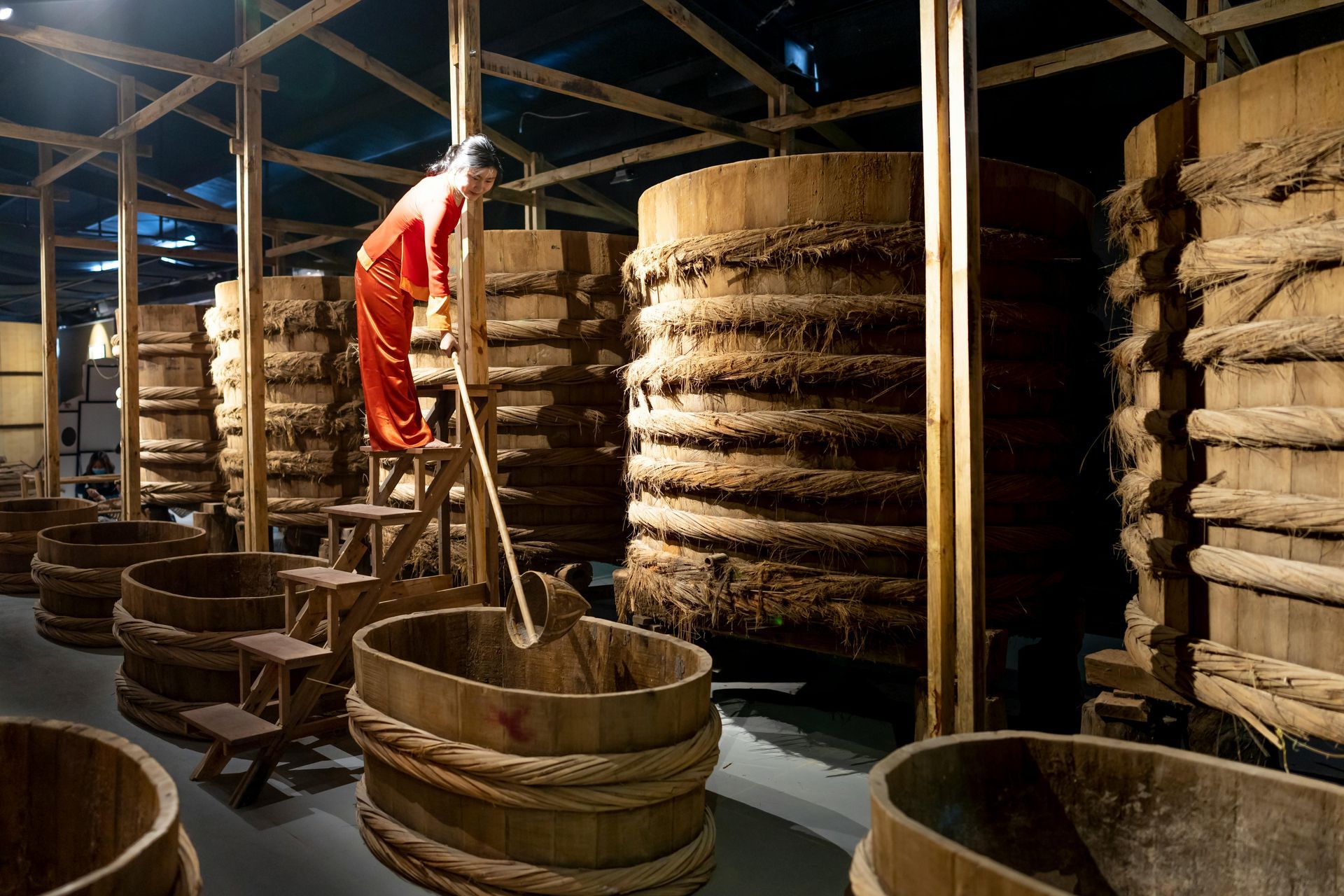
Soy has long been a nutritional powerhouse in many diets around the world. But not all soy is created equal—especially when it comes to how it's processed. One of the biggest distinctions in the soy world is fermented vs. unfermented soy . And the difference between the two isn’t just about taste or texture—it’s about health impact , digestibility , and bioavailability . In this article, we’ll break down what fermentation does to soy and why it matters—especially if you care about hormone balance, gut health, or getting the most out of your plant-based nutrition. The Basics: What’s the Difference? Unfermented Soy includes foods like: Tofu Soy milk Edamame Soy protein isolates (commonly found in protein powders and bars) Fermented Soy includes: Natto Miso Tempeh Fermented soy beverages (like Haelan 951 ) Soy sauce (in traditional forms) Fermentation is a natural metabolic process involving bacteria or yeast that breaks down complex compounds in the food. In soy, fermentation radically alters the nutritional structure— reducing antinutrients , increasing digestibility , and boosting the potency of bioactive compounds like isoflavones. Why Fermentation Matters for Your Health 1. Increased Isoflavone Bioavailability Soy is rich in isoflavones —plant-based phytoestrogens that can have hormone-modulating effects in the body. In unfermented soy, most isoflavones are in their glycoside form , which is not easily absorbed. Fermentation transforms these into their aglycone form , which is significantly more bioavailable. That means your body can actually use them more effectively. Reference: “Fermentation enhances the bioavailability of soy isoflavones” – Journal of Agricultural and Food Chemistry 2. Reduced Antinutrients Unfermented soy contains compounds such as: Phytates , which block mineral absorption (like calcium and zinc) Trypsin inhibitors , which interfere with protein digestion Fermentation neutralizes or reduces these compounds, making the nutrients in soy more available and easier to digest. Reference: “Effect of fermentation on antinutritional factors in food” – Critical Reviews in Food Science and Nutrition 3. Improved Digestibility and Gut Support Fermentation predigests many of the complex proteins and carbohydrates in soy, making it gentler on the gut . It also introduces beneficial probiotics and postbiotics that may: Support a healthier gut microbiome Reduce inflammation Improve immune function Reference: “Probiotic-rich fermented soy products and gut health” – Nutrients 4. Supports Hormone Balance—Safely Many people worry that soy affects estrogen levels negatively. But research suggests the opposite when it comes to fermented soy . Because the isoflavones in fermented soy are more bioactive, they modulate estrogen receptors—balancing rather than flooding them. This is especially helpful for: Women in perimenopause or menopause Individuals with estrogen metabolism issues People seeking alternatives to synthetic hormone therapies Reference: “Phytoestrogens in fermented soy products: Role in hormone modulation” – Molecules Final Thoughts: Should You Ditch Unfermented Soy? Not necessarily. Unfermented soy can still be a good source of plant protein and nutrients. However, if you're looking for the full range of benefits —especially gut support, hormonal balance, and nutrient absorption— fermented soy is the superior option . It’s not just about soy; it’s about how your body processes it.